How Mold Testing Services Ensure a Safe Home: Understanding Mold Testing
- a1eliteinspections
- Jan 5
- 4 min read
Mold is a common problem in many homes, especially in humid or damp climates. It can cause health issues and damage to your property if left unchecked. That’s why understanding mold testing is essential for maintaining a safe and healthy living environment. In this post, I will walk you through the importance of mold testing, how it works, and what you can do to protect your home.
Understanding Mold Testing: What It Is and Why It Matters
Mold testing is a process used to detect the presence of mold spores in your home. It helps identify the type and concentration of mold, which is crucial for determining the right course of action. Mold can grow in hidden places like behind walls, under floors, or inside HVAC systems, making it hard to spot without professional help.
The main goal of mold testing is to ensure your home is safe to live in. Mold exposure can cause allergic reactions, respiratory problems, and other health issues, especially for children, elderly people, and those with weakened immune systems. By detecting mold early, you can prevent these health risks and avoid costly repairs.
Professional mold testing involves collecting samples from the air, surfaces, or materials suspected of mold growth. These samples are then analyzed in a lab to identify the mold species and its concentration. This detailed information allows experts to recommend effective remediation strategies tailored to your home’s specific needs.

How Mold Testing Works: The Process Explained
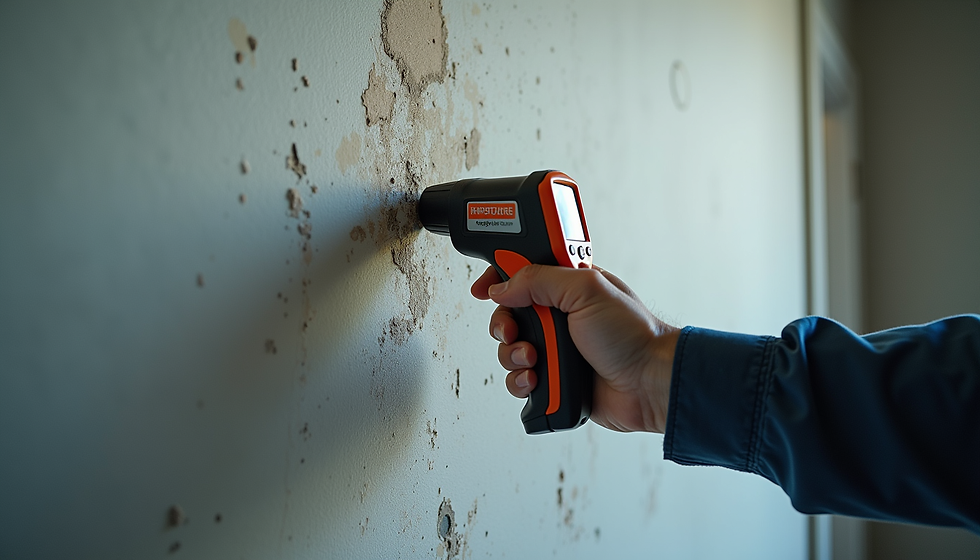
When you hire mold testing services, the process usually starts with a thorough inspection of your home. The inspector looks for visible signs of mold, moisture problems, and areas prone to mold growth. They may use moisture meters and thermal imaging cameras to detect hidden dampness.
Next, the inspector collects samples using different methods:
Air sampling: Captures mold spores floating in the air to measure indoor air quality.
Surface sampling: Swabs or tape lifts are taken from visible mold or suspect areas.
Bulk sampling: Pieces of material like drywall or insulation are collected for lab analysis.
After collecting samples, they are sent to a certified laboratory for testing. The lab identifies the mold species and measures the concentration of spores. This information helps determine if the mold levels are normal or if there is a significant problem that needs addressing.
Once the results are ready, the inspector provides a detailed report explaining the findings. This report includes recommendations for mold removal, repairs, and prevention measures to keep your home safe.
How can I test for mold in my house?
If you suspect mold in your home, you might wonder how to test for it yourself. While DIY mold test kits are available, they often lack accuracy and do not provide detailed information about the mold type or concentration. For reliable results, it’s best to rely on professional mold testing services.
However, there are some steps you can take to identify potential mold problems:
Look for visible signs: Check for discoloration, stains, or fuzzy patches on walls, ceilings, and floors.
Smell for musty odors: Mold often produces a distinct, damp smell.
Check for moisture: Inspect areas prone to leaks, condensation, or poor ventilation.
Monitor health symptoms: Pay attention to unexplained allergies, coughing, or respiratory issues.
If you notice any of these signs, contact a professional mold inspector. They have the tools and expertise to conduct thorough testing and provide accurate results.

Why Choose Professional Mold Testing Services?
Choosing professional mold testing services offers several advantages over DIY methods:
Accuracy: Professionals use advanced equipment and certified labs to provide precise results.
Comprehensive inspection: They identify hidden mold and moisture sources that you might miss.
Expert advice: You receive clear recommendations based on your home’s specific situation.
Peace of mind: Knowing your home is safe helps reduce stress and protect your family’s health.
In Louisiana, where humidity levels are high, mold growth can be a persistent issue. Professional mold testing services help homeowners and real estate professionals make informed decisions about property safety and maintenance.
Taking Action After Mold Testing: What Comes Next?
After receiving your mold testing report, the next step is to address any mold problems found. Here’s what you can do:
Hire a mold remediation specialist: They will safely remove mold and repair affected areas.
Fix moisture issues: Repair leaks, improve ventilation, and control humidity to prevent mold from returning.
Clean and disinfect: Use appropriate cleaning agents to sanitize surfaces.
Monitor your home: Regularly check for signs of mold and moisture.
Remember, mold removal is not just about cleaning visible spots. It requires addressing the root cause to ensure long-term safety.
By taking these steps, you protect your home’s structure and your family’s health. Regular mold testing can also be part of your home maintenance routine, especially if you live in areas prone to moisture problems.
Understanding mold testing and acting on its results is a vital part of maintaining a safe home. If you want to ensure your living environment is healthy and secure, consider reaching out to trusted mold testing services for a thorough assessment. Taking this proactive step can save you from future headaches and keep your home a safe haven.


Comments