Black Mold Testing Options: What You Need to Know
Black mold is a serious concern for many homeowners and property buyers. It can affect the health of your family and the value of your home. Understanding black mold and how to detect it is essential for maintaining a safe living environment. In this post, I will explain the basics of black mold, explore the different black mold testing options available, and guide you through the testing process. My goal is to help you feel confident and informed when dealing with this issue.
Understanding Black Mold and Its Risks
Black mold, often referred to as Stachybotrys chartarum, is a type of fungus that thrives in damp, humid environments. It appears as a dark greenish-black patch and can grow on materials like wood, drywall, and carpet. The presence of black mold is not just an aesthetic problem; it can cause health issues such as respiratory problems, allergies, and skin irritation.
If you notice a musty smell or visible mold growth in your home, it’s important to take action quickly. Mold spores can spread through the air and settle in other areas, making the problem worse. Identifying black mold early can prevent costly repairs and protect your family’s health.

Exploring Black Mold Testing Options
When it comes to testing for black mold, there are several options to consider. Each method has its advantages and limitations, so understanding them will help you choose the best approach for your situation.
Visual Inspection
The first step in any mold assessment is a thorough visual inspection. This involves checking areas prone to moisture, such as basements, bathrooms, and around windows. Look for discoloration, water stains, or visible mold patches. While this method is simple and cost-effective, it cannot confirm the presence of black mold specifically or detect hidden mold.
Air Sampling
Air sampling involves collecting air samples from your home to measure the concentration of mold spores. This method can detect mold that is not visible to the naked eye. The samples are sent to a lab for analysis, which identifies the types and amounts of mold present. Air sampling is useful for assessing indoor air quality and determining if mold spores are airborne.
Surface Sampling
Surface sampling tests the mold directly from surfaces using swabs or tape lifts. This method helps identify the specific mold species growing on walls, floors, or other materials. It is particularly helpful when you see mold but want to confirm if it is black mold.
Bulk Sampling
Bulk sampling involves collecting pieces of material, such as drywall or carpet, that are suspected to have mold growth. These samples are analyzed in a lab to identify mold types and concentrations. Bulk sampling is more invasive but provides detailed information about the mold infestation.
Professional Mold Inspection
Hiring a professional mold inspector is often the best choice for accurate results. Professionals use a combination of visual inspection, air sampling, and surface or bulk sampling. They have the expertise to identify hidden mold and assess the extent of contamination. A detailed report from a professional can guide you in making informed decisions about mold remediation.
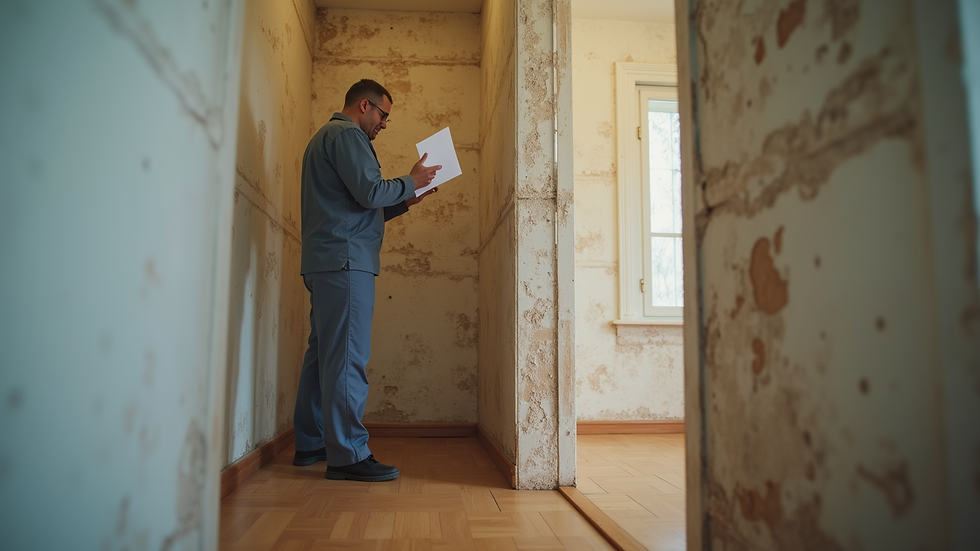
How Do You Get Tested for Black Mold?
Getting tested for black mold involves a few clear steps. Here’s what you can expect during the process:
Initial Assessment
The inspector will start with a visual examination of your home. They will look for signs of moisture, water damage, and visible mold growth.
Sample Collection
Depending on the situation, the inspector will collect air samples, surface swabs, or bulk samples. This step is done carefully to avoid spreading mold spores.
Laboratory Analysis
The collected samples are sent to a certified lab. The lab identifies the mold species and measures spore concentrations.
Report and Recommendations
Once the analysis is complete, you will receive a detailed report. This report explains the findings and suggests next steps, such as mold removal or further testing.
Follow-Up
After remediation, it’s a good idea to have a follow-up test to ensure the mold has been effectively removed.
Testing for black mold is not something to delay if you suspect a problem. Early detection can save you money and protect your health.
Why Professional Black Mold Testing Services Matter
While DIY mold test kits are available, they often lack the accuracy and thoroughness of professional testing. Certified inspectors bring experience and specialized equipment to the job. They can identify hidden mold sources and provide a comprehensive evaluation.
Using black mold testing services ensures you get reliable results and clear guidance. Professionals also follow safety protocols to minimize exposure during testing. This is especially important if you or your family members have allergies or respiratory conditions.
Investing in professional testing is an investment in your home’s safety and your peace of mind.
What to Do After Testing for Black Mold
Once you have your test results, the next steps depend on the findings:
No Mold Detected
If the tests show no mold or only low levels, maintain good ventilation and control moisture to prevent future growth.
Mold Detected
If black mold or other harmful molds are found, it’s important to act quickly. Mold remediation involves removing contaminated materials, cleaning affected areas, and fixing moisture problems.
Post-Remediation Testing
After cleanup, schedule another test to confirm the mold has been removed. This step ensures your home is safe and mold-free.
Remember, controlling moisture is key to preventing mold. Fix leaks, use dehumidifiers, and keep your home well-ventilated.
Taking Control of Your Home’s Health
Dealing with black mold can feel overwhelming, but you don’t have to face it alone. Understanding your black mold testing options and working with trusted professionals can make the process manageable and effective.
By staying informed and proactive, you can protect your home and loved ones from the risks of mold. If you suspect mold in your home, don’t wait. Reach out to a qualified inspector and take the first step toward a healthier living space.
Your home deserves the best care, and so do you.
If you want to learn more about how to keep your home safe and healthy, consider scheduling a professional inspection today. It’s a small step that can make a big difference.


Comments